Umangot Solar

solar panel

Solar Subsidy Documents Checklist for UP (2025 Guide)
solar panel

Solar Subsidy Documents Checklist for UP (2025 Guide)

Thinking of installing a solar system in Uttar Pradesh? The government offers significant financial support to make the switch more affordable. However, many homeowners miss out on subsidies ranging from ₹40,000 to ₹80,000 simply due to incomplete or incorrect paperwork. A single missing solar subsidy documents can delay your application by months, turning an exciting investment into a frustrating process. This guide provides a complete and verified checklist of all the solar subsidy documents you’ll need for the 2025 application under the PM Surya Ghar: Muft Bijli Yojana. We’ll walk you through why each document matters, how to prepare them, and the steps to apply online. By the end, you’ll know exactly what you need to submit for a smooth, successful subsidy claim. A Quick Look at Solar Subsidies in Uttar Pradesh Before we get to the checklist, it’s helpful to understand what the government scheme offers. The primary initiative is the central government’s PM Surya Ghar: Muft Bijli Yojana, which provides a subsidy of up to ₹78,000 for residential rooftop systems. This is often supplemented by additional support from the Uttar Pradesh New & Renewable Energy Development Agency (UPNEDA), making the investment even more attractive. Combining these subsidies drastically reduces the upfront cost of a rooftop solar system. For example, a simple 3kW solar setup, which can save you ₹3,000–₹4,000 on your monthly electricity bill, could pay for itself in as little as three years with the help of these government incentives. Why Having the Right Solar Subsidy Documents Is Crucial Submitting the correct documentation is the first and most critical step toward securing your solar subsidy. A single missing bill or mismatched name can delay your application for months or even lead to rejection. The documents serve three main purposes: Ensuring that your name, address, and other details are consistent across all solar subsidy documents is essential. Any discrepancies can flag your application for review, causing unnecessary delays. Complete Solar Subsidy Documents Checklist (2025) Here is the ultimate checklist of documents you’ll need to gather before you start your online application. Print it, save it, and have everything ready to ensure a hassle-free process. A. Personal Identification These documents verify your identity as the applicant. B. Proof of Property Ownership These documents confirm you own the property where the solar system is installed. C. Technical and Installation Documents These documents relate to the solar system itself and are often provided by your installer. D. Banking Details This is required for the direct transfer of the subsidy amount. E. Additional Documents (If Applicable) Depending on your specific situation, you may need to provide: Pro Tip: Before uploading, double-check that your name, address, and electricity connection number are identical across all your documents. This is the most common reason for subsidy rejections and delays. How to Apply for the Subsidy Online: A Step-by-Step Guide Once you have all your solar subsidy documents ready, the application process is straightforward. Here’s how to do it: Common Mistakes to Avoid These seemingly small errors can lead to major setbacks, including the cancellation of your subsidy application. Navigating the documentation process can feel overwhelming, but you don’t have to do it alone. At Umangot Solar, we guide our customers through every step of the subsidy application to ensure you receive your full government benefit without any hassle. Estimated Subsidy and Savings by System Size To give you a clearer picture of the financial benefits, here’s a breakdown of the approximate subsidy amounts and potential annual savings for different system sizes in Uttar Pradesh under the PM Surya Ghar scheme. System Size Central Subsidy (Approx.) Potential Annual Savings 1 kW ₹30,000 ₹20,000 – ₹25,000 2 kW ₹60,000 ₹40,000 – ₹50,000 3 kW ₹78,000 ₹60,000+ Note: Savings depend on electricity consumption, local tariffs, and solar generation. Turn Your Solar Subsidy Documents into Solar Savings The subsidy application process isn’t designed to be complicated—it’s designed to be thorough. By preparing the correct documents in advance, you can ensure your journey to solar energy is smooth and rewarding. You’ll not only reduce your carbon footprint but also enjoy significant savings on your electricity bills for years to come. If you’re in Lucknow or anywhere else in Uttar Pradesh and ready to go solar, Umangot Solar can help. We manage the entire process, from installation to documentation and subsidy claims, making it stress-free and guaranteed. 🔗 Book your free solar consultation today!

Monocrystalline vs Polycrystalline Solar Panels
solar panel

Monocrystalline vs Polycrystalline Solar Panels: Which is Better?

Switching to solar energy is one of the smartest decisions you can make for both your wallet and the environment. But when you start exploring your options, you’ll quickly encounter two main types of solar panels: monocrystalline and polycrystalline. What’s the difference? And more importantly, which one is right for your home? This guide breaks down everything you need to know about monocrystalline vs polycrystalline solar panels, helping you make an informed choice for your solar installation. What Are Monocrystalline Solar Panels? Monocrystalline solar panels are made from single silicon crystals, giving them their distinctive black appearance. These panels undergo a more complex manufacturing process where silicon is carefully formed into cylindrical ingots, then sliced into individual wafers. The single crystal structure allows electrons to move more freely, resulting in higher efficiency rates. Most monocrystalline panels achieve 15-20% efficiency, with premium models reaching over 23%. This means you’ll need fewer panels to generate the same amount of electricity. What Are Polycrystalline Solar Panels? Polycrystalline solar panels are manufactured by melting multiple silicon fragments together, creating a blue-tinted appearance. This simpler manufacturing process makes them more affordable than their monocrystalline counterparts. The multi-crystal structure slightly restricts electron movement, resulting in lower efficiency rates typically ranging from 15-17%. While you may need more panels to match the output of monocrystalline systems, the lower individual panel cost can offset this requirement. Key Differences: Monocrystalline vs Polycrystalline Solar Panels Cost Comparison Polycrystalline panels win on upfront cost. Their simpler manufacturing process translates to lower prices per panel. However, consider the complete picture: since monocrystalline panels are more efficient, you might need fewer of them, potentially balancing the overall system cost. Efficiency Performance Monocrystalline panels consistently outperform polycrystalline options in efficiency. The single crystal structure allows for better electron flow, generating more electricity per square foot. This efficiency advantage becomes crucial if you have limited roof space. Temperature Performance Monocrystalline panels handle heat better than polycrystalline panels. They have lower temperature coefficients, meaning they lose less efficiency in hot weather. For Lucknow’s climate, this performance edge can translate to better year-round energy production. Appearance and Aesthetics Visual preference matters to many homeowners. Monocrystalline panels feature sleek black solar cells, while polycrystalline panels display a blue hue. Choose based on what complements your home’s appearance. Which Solar Panel Type Should You Choose? Your decision on Monocrystalline vs Polycrystalline Solar Panels depends on three key factors: Limited Roof Space: Choose monocrystalline panels for maximum efficiency per square foot. You’ll generate more power with fewer panels. Budget Constraints: Polycrystalline panels offer excellent value if upfront cost is your primary concern and you have adequate roof space. Climate Considerations: Monocrystalline panels perform better in hot climates, making them ideal for Lucknow’s weather conditions. Why Choose Umangot Solar for Your Installation? At Umangot Solar, we help Lucknow homeowners navigate these choices based on their specific needs and budget. Our team analyzes your roof space, energy requirements, and financial goals to recommend the optimal solar solution. Whether you choose monocrystalline vs polycrystalline solar panels, both options will significantly reduce your electricity bills and environmental impact. We provide transparent pricing, professional installation, and ongoing support to ensure your solar investment delivers maximum returns. Start Your Solar Journey Today Both monocrystalline and polycrystalline solar panels offer proven paths to energy independence and cost savings. The choice comes down to balancing efficiency, cost, and aesthetic preferences with your specific situation. Ready to explore your solar options? Contact Umangot Solar today for a free consultation. Our experts will assess your property and provide personalized recommendations to help you harness Lucknow’s abundant sunshine. Contact Umangot Solar: Take the first step toward energy independence and substantial long-term savings with professional solar panel installation tailored to your needs.

solar panel

Top 5 Solar Installation Mistakes People Make Before Going Solar

Switching to solar energy is one of the smartest financial and environmental decisions anyone can make. It cuts down electricity bills, increases property value, and ensures energy independence. However, many homeowners and businesses rush into solar installation without proper planning — and that leads to costly errors. To help you make an informed choice, here are the top 5 solar installation mistakes people often make before going solar. Solar Installation Mistakes You need to Avoid 1. Not Analyzing Actual Power Needs One of the biggest solar installation mistakes is not understanding your real energy consumption. People often guess their monthly usage instead of checking past electricity bills. The result? Either an undersized system that doesn’t meet your needs or an oversized one that’s unnecessarily expensive.✅ Tip: Before investing, use our Solar Panel Space Calculator to find out the exact roof area and system size your home or business needs. 2. Ignoring Roof Suitability and Shadowing Every roof is different — size, angle, and direction all affect solar performance. Ignoring shading from nearby trees or buildings can reduce output by up to 30%. Before installation, a professional site assessment is essential.✅ Tip: Learn more about the ideal setup on our Rooftop Solar Panel for Home page to see how to optimize your roof for maximum sunlight. 3. Choosing the Cheapest Equipment or Vendor Price matters, but quality matters more. Many first-time buyers commit solar installation mistakes by selecting the cheapest quote without checking equipment efficiency or warranty. Low-grade panels or inverters can fail early, reducing returns in the long run.✅ Tip: Visit Umangot Solar : Best Solar Company in Lucknow to explore our high-quality panels, trusted brands, and long-term service guarantees. 🧾 4. Skipping Government Subsidy or Net Metering Benefits A surprising number of people forget to apply for available state subsidies and net metering approvals. This is one of the most avoidable solar installation mistakes because these incentives can significantly reduce payback time.✅ Tip: Read our latest guide on the Solar Panel Subsidy in Uttar Pradesh to understand eligibility, documents required, and how Umangot Solar can help you apply smoothly. 5. Ignoring Maintenance and Monitoring Solar systems are low-maintenance, but not maintenance-free. Without regular cleaning and performance checks, generation efficiency drops over time. Many users also forget to install monitoring systems that track daily output.✅ Tip: Schedule professional maintenance or get support from our team via the Contact Us page, or simply find us easily on Google Maps. Final Thoughts Avoiding these solar installation mistakes can help you achieve higher savings, faster ROI, and a smooth transition to clean energy. Whether for your home, factory, or warehouse, professional guidance makes all the difference. At Umangot Solar, we ensure end-to-end solar solutions — from site assessment and system design to subsidy processing and maintenance. Our expert team helps you make the right solar choice from day one. 💡 Go solar confidently — Go Umangot Solar!

Commercial Solar for Factories & Warehouses
solar panel

Commercial Solar for Factories & Warehouses – Reduce Power Bills by 80%

Why Commercial Solar Makes Business Sense Electricity is one of the largest overhead costs for industrial units. Factories and warehouses run heavy machinery, lighting, HVAC systems, and cold storage – all of which consume massive power. With grid tariffs rising every year, commercial solar for factories and warehouses offers an effective, long-term solution to control expenses. By installing a rooftop solar system, businesses can generate clean energy on-site and cut monthly power bills by up to 80%. This isn’t just a cost-saving tactic; it’s a strategic investment that strengthens a company’s bottom line. Key Benefits of Commercial Solar For Factories & Warehouses Technical Considerations Financial Overview Item Approximate Cost (₹) Payback 100 kW Rooftop Solar 40–45 lakhs 3–4 years 500 kW Rooftop Solar 1.8–2.2 crores 4–5 years After payback, the energy generated for the next 20 years is virtually free, which can translate into crores of rupees in savings. Choosing the Right Installer Selecting a trusted partner is critical. Look for an EPC (Engineering, Procurement & Construction) company with experience in commercial solar for factories and warehouses, proven after-sales service, and strong maintenance support. A professional installer ensures maximum generation efficiency and long-term reliability. Umangot Solar – Your Commercial Solar Expert Umangot Solar specializes in commercial solar for factories and warehouses, offering end-to-end solutions—from site assessment and design to installation and maintenance. With high-quality panels, advanced inverters, and dedicated monitoring, we help industrial clients reduce power bills by up to 80% while meeting sustainability goals. Final Thoughts Switching to commercial solar for factories and warehouses is not just an environmental decision; it’s a powerful business move. By harnessing the sun’s energy, your factory or warehouse can lock in predictable energy costs, improve profit margins, and showcase green leadership. Ready to slash your electricity bills?👉 Contact Umangot Solar today to get a free site assessment and custom proposal.

solar panel

Complete Guide to Solar Panel Installation Cost in India 2025

Switching to solar energy is one of the smartest financial and environmental decisions for Indian households and businesses. As electricity tariffs keep rising, more people are searching for the solar panel installation cost in India 2025 to plan their investment. This guide explains current prices, key factors that affect the cost, and how to maximize savings with government incentives. Average Solar Panel Installation Cost in 2025 In 2025, the typical cost of a grid-connected rooftop solar system ranges between ₹55,000 and ₹70,000 per kW (inclusive of panels, inverters, mounting structure, and basic installation). These prices may vary depending on city, roof type, and equipment brand. Key Factors Affecting the Price Government Subsidy & Incentives The Indian government continues to promote clean energy with the PM-Surya Ghar Muft Bijli Yojana and state-level programs. In 2025, homeowners can claim a subsidy of up to 40% on systems up to 3 kW and 20% on 3–10 kW systems, significantly lowering the effective price. Businesses can benefit from accelerated depreciation and GST input credits. Residential vs. Commercial Solar Cost Maintenance & Lifetime Savings Routine cleaning and an annual inspection keep panels performing at their peak. Annual maintenance usually costs ₹1,500–₹2,500 per kW, negligible compared to 25 years of free power. Over its lifetime, a 5 kW system can save more than ₹12–15 lakh in electricity bills. Final Thoughts Investing in solar today locks in decades of savings and shields you from rising energy prices. Understanding the solar panel installation cost in India 2025 helps you budget accurately and choose the right system for long-term benefits. Ready to cut your power bills and harness the sun? Contact Umangot Solar: Best Solar Company in Lucknow today for a free site survey and personalized quote on the solar panel installation cost in India 2025.

Solar Panel Space Calculator
solar panel

Free Solar Panel Space Calculator (India 2025 Guide)

One of the first questions homeowners ask when considering solar energy is, “Do I have enough roof space?” It’s a critical question. Before you invest in a solar system, understanding your roof’s capacity is essential for proper planning and maximizing your return on investment. Miscalculating the required area can lead to an undersized system that doesn’t meet your energy needs or unexpected installation challenges. That’s when a solar panel space calculator comes in use. This guide simplifies the process. We will provide a quick way to estimate your space requirements, explore the key factors that influence the total area, and offer a straightforward solar system space requirement calculator. By the end, you’ll have a clear picture of how much roof space you need for your solar journey. How Much Roof Space Do I Need? (Solar Panel Space Calculator Insights) The simplest way to get a quick estimate is to use a general rule. In India, a typical 1 kW solar system requires approximately 100 square feet of shadow-free roof area. This can vary based on panel efficiency and other factors, but it serves as a great starting point. Here is a quick reference table to help you understand the space needed for common residential system sizes. This table answers the common question of “how much roof space for 1kW / 3kW / 5kW solar?” using a solar panel space calculator: System Size (kW) Approximate Roof Area Required (Square Feet) 1 kW 100 sq. ft. 3 kW 300 sq. ft. 5 kW 500 sq. ft. 10 kW 1,000 sq. ft. While this provides a good baseline, for a more precise figure, you should use a dedicated solar panel space calculator. Solar Panel Space Calculator in India For a more accurate assessment, a detailed calculation is needed. You can use an online solar panel area calculator or follow this simple formula, which many solar panel space calculator tools use: Total Roof Area = (System Size in kW / Panel Efficiency) * (Solar Panel Square Feet per kW) While this formula provides a better estimate, several on-the-ground realities can change the final number. A reliable solar panel roof size estimator must account for real-world conditions. Key Factors Affecting the Solar Panel Space Calculator Results The 100 sq. ft. per kW rule is a guideline, not a guarantee. The actual space your solar installation will occupy depends on several important variables. Using a roof space calculator for solar panels helps, but understanding these factors gives you more control. 1. Solar Panel Efficiency and Wattage Not all solar panels are created equal. High-efficiency panels can generate more power from a smaller surface area. For example, a system using 450-watt panels will require less space than one using 350-watt panels to achieve the same total output. When you choose more efficient modules, you can fit more power into a limited space, making them ideal for smaller roofs. 2. Roof Tilt Angle and Orientation The ideal orientation for solar panels in the Northern Hemisphere is south-facing to capture the maximum amount of sunlight throughout the day. The tilt angle should ideally match your location’s latitude to optimize energy generation. If your roof is not perfectly south-facing or has a non-ideal tilt, you might need a slightly larger system (and therefore more space) to compensate for the reduced efficiency. 3. Shading and Obstructions Permanent shading from trees, neighboring buildings, chimneys, or vents can significantly reduce a solar panel’s output. Any shadow-free area is prime real estate for your installation. An installer will map out these shaded zones and design a layout that avoids them, which can impact the total contiguous space required. A thorough on-site assessment is crucial to identify these potential issues. 4. Local Climate and Sunlight Hours The amount of peak sunlight your location receives, known as “solar insolation,” directly impacts how much energy your system can produce. Regions with more sunny days, like Rajasthan or Gujarat in India, can generate more power with a smaller system compared to areas with more frequent cloud cover. Your local climate data is factored into the design to ensure your system meets your energy goals. The Definitive Answer: Get a Professional Assessment While a solar panel space calculator is an excellent tool for initial planning, it cannot replace a professional site evaluation. An expert can provide a precise, customized layout that considers all the unique aspects of your property. Ready to take the next step and get a definitive answer for your home? Book a free on-site assessment with Umangot Solar : Solar Company in Lucknow today! Our experts will provide a detailed analysis and a no-obligation quote tailored to your specific needs.

Solar for Apartments and Housing Societies
solar panel

Solar for Apartments and Housing Societies: Complete Guide 2025

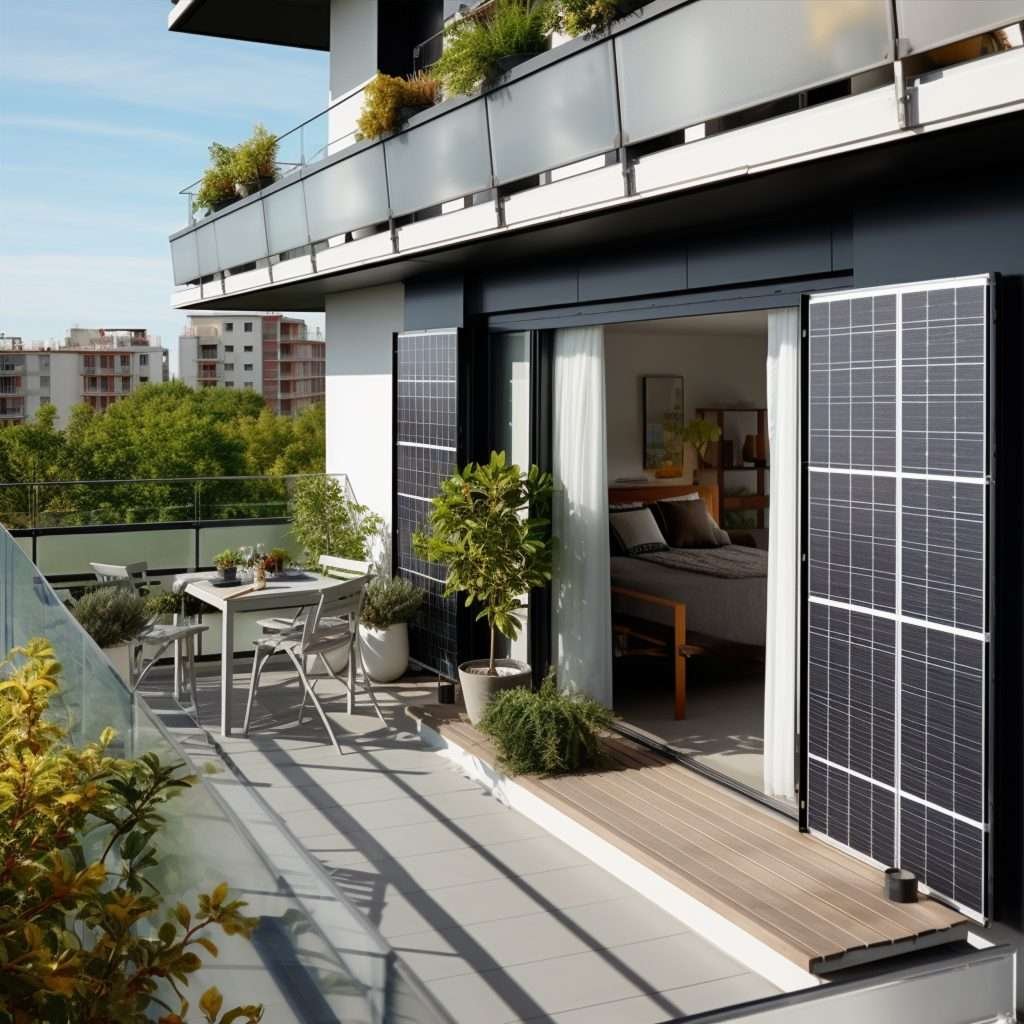
Solar for Apartments: Is It Truly Possible? With electricity bills climbing and energy independence becoming a priority, many urban residents are exploring renewable energy. But a common question remains: Is solar for apartments and housing societies even practical? The good news is yes – solar for apartments is possible. Now, many options exist for installing solar panels in apartments and housing societies. These range from small plug-and-play systems to community solar projects. Why Solar for Apartments is Becoming Popular? Independent homes have long enjoyed the benefits of rooftop solar, but apartment living brings unique challenges. Limited rooftop space, shared ownership, and landlord approvals often hold people back. Modern solutions now let individuals and housing societies use solar energy in flexible ways. This makes it more accessible than ever. Options For Solar for apartments and housing Societies 1. Plug-and-Play Balcony Systems Compact solar panel installations on balconies or walls, converting sunlight into electricity. Benefits: Helps reduce individual electricity bills and carbon footprints by powering small appliances like fans, chargers, or lights. Considerations: Requires permission from your housing society or landlord for installation. 2. Community Rooftop Solar Residents’ associations (RWAs) can install bigger rooftop solar systems on buildings. These systems can power shared areas like lifts, water pumps, and lighting. Benefits: Reduces common area electricity bills, which may lead to lower monthly maintenance fees for all residents. Considerations: Needs collective approval and funding from society members. 3. Community Solar Programs An emerging option where residents invest in a remote solar farm and receive credits on their electricity bills. Benefits: Lets you benefit from solar power even if you don’t own property or lack rooftop space. Considerations: Availability depends on local policies and requires monthly investments. Cost of Solar for Apartments and Housing Societies The cost of solar panels for housing societies varies by system size and setup: Government solar subsidies can significantly reduce upfront costs for societies, while individuals may explore incentives or tax benefits depending on their state policies. Key Steps to Consider Before Installing Solar Benefits of Solar for Apartments and Housing Societies Final Thoughts Installing solar for apartments is no longer just a dream. You can choose from easy-to-use balcony systems for personal use, community rooftop projects, or remote solar farms. The right choice depends on your landlord, housing society, and apartment features. 👉 Interested in exploring solar solutions for your apartment or society? Contact Umangot Solar for expert advice on approvals, costs, and subsidies.

Solar Panel Manufacturers
solar panel

Top 5 Solar Panel Manufacturers in India 2025

Why Your Solar Panel Manufacturers Matter Choosing the right solar panel manufacturer is a crucial step in your solar journey – whether you’re a homeowner, business owner, or installer. The manufacturer directly impacts your system’s efficiency, durability, warranty, and return on investment. With India emerging as one of the world’s largest solar markets, several solar panel manufacturers are making their mark with high-quality, Made-in-India products. In this post, we’ve compiled the top solar panel manufacturers in India for 2025, based on product quality, customer reviews, technology, certifications, and service. What to Expect From Good Solar Panel Manufacturers Before we dive into the list, here’s what sets a reliable solar panel manufacturer apart: Let’s now explore the top contenders. Top 5 Solar Panel Manufacturers in India – 2025 List 1. Tata Power Solar Location: Bangalore Type: Integrated manufacturer (cells + modules) As part of the Tata Group, Tata Power Solar is India’s most trusted name in solar power. Known for its reliability and consistent performance, it has supplied panels for both residential rooftops and large-scale solar farms. ⭐ Customer Rating: ★★★★★ 💡 Why Choose: Strong after-sales support, government-approved vendor 2. Waaree Energies Location: Mumbai Type: Tier-1 manufacturer With manufacturing capacity exceeding 12 GW, Waaree is one of India’s largest solar panel manufacturers. Known for advanced cell technology and efficient panels, they transport globally. ⭐ Customer Rating: ★★★★☆ 💡 Why Choose: Wide dealer network, excellent warranties 3. Adani Solar Location: Gujarat Type: Fully integrated solar panel manufacturer Adani Solar is India’s largest vertically integrated solar manufacturer. It supplies high-efficiency panels and is making strong inroads into utility and commercial-scale solar projects. ⭐ Customer Rating: ★★★★☆ 💡 Why Choose: Scale, consistency, and innovation 4. Vikram Solar Location: Kolkata Type: Premium solar panel manufacturer Known for R&D and innovation, Vikram Solar offers mono PERC, half-cut, and bifacial modules. Their products are suited for high-performance environments. ⭐ Customer Rating: ★★★★☆ 💡 Why Choose: Advanced technology, good export record 5. RenewSys India Location: Hyderabad Type: End-to-end solar component manufacturer RenewSys not only manufactures solar PV modules but also EVA sheets and backsheets. It’s a top pick for installers looking for stable performance at competitive prices. ⭐ Customer Rating: ★★★★☆ 💡 Why Choose: Integrated supply, cost-effectiveness 🏆 Emerging Solar Panel Manufacturers to Watch in 2025 ➡️ Browse our rooftop solar panel installation services Key Factors to Consider Before Choosing a Solar Panel Manufacturer Before you choose a solar panel manufacturer, keep these decision points in mind: 👉 Not sure where to begin? Contact our team for a free consultation to match you with the right solar panel manufacturer for your project. ✅ Conclusion: Choose Smart, Choose a Trusted Manufacturer Your solar panel is a 25-year investment. So choosing the right solar panel manufacturer ensures peace of mind, better returns, and fewer service issues. Always prefer product quality, certifications, and brand reputation over just the lowest price. Whether you’re a homeowner looking to cut your bills, or an EPC contractor sourcing panels for large-scale installations, the manufacturers listed above represent India’s best in 2025. Interested in installing solar panels for your home or business?👉 Visit our website or call us at +91 888 111 1339 to get a free consultation today!

Commercial Solar Installation in Lucknow
solar panel

Commercial Solar Installations in Lucknow: A Smart Move for Businesses

Why Choose Commercial Solar Installations in Lucknow? Lucknow is not only a cultural hub but also a growing commercial center with evolving energy needs. Rising electricity costs are a concern. Businesses need sustainable energy solutions. Commercial solar installation in Lucknow are a smart choice for addressing these issues. Solar energy helps companies lower operational expenses, increase energy independence, and boost their brand’s green image. With abundant sunlight and government support, it’s the perfect time to invest in solar power. Major Financial Benefits of Commercial Solar Installation in Lucknow ✅ Slash Electricity Bills One of the biggest advantages of commercial solar installations in Lucknow is significant savings on electricity. Businesses can reduce their monthly bills by up to 70–80% depending on system size and energy consumption.For example, a 25kW solar setup can save ₹25,000–₹35,000 per month, translating to ₹60+ lakhs in savings over 20 years. ✅ Subsidies & Tax Benefits Yes, commercial solar installations in India are eligible for subsidies under the Grid-connected Rooftop Solar Scheme (Phase-II). The subsidy covers 40% for the first 3 kW and 20% for additional capacity up to 10 kW. These incentives are managed through local Electricity Distribution Companies (DISCOMs) that facilitate the process and ensure standardization and quality through empaneled vendors.  ✅ High ROI with Quick Payback Most commercial systems break even in 3–5 years, after which power becomes nearly free. With minimal maintenance and a lifespan of 25+ years, this is a low-risk, high-reward investment. Solar Energy’s Role in Brand Image & Sustainability Sustainability is no longer optional—it’s a brand expectation. Companies that adopt solar solutions attract customers, investors, and employees.A 50kW commercial solar system in Lucknow cuts down more than 60 metric tons of CO₂ each year. This is like planting 1,000 trees every year. The switch to solar energy positions your brand as eco-conscious and future-focused. Solar Power = Energy Independence Frequent voltage drops or blackouts? No longer. With hybrid or off-grid systems, commercial solar installations in Lucknow provide stable power through: This is especially valuable for: Real-World Impact: Solar Success Stories in Lucknow A textile business in Amausi, Lucknow, installed a 30kW solar system. Their monthly electricity expenses decreased from ₹40,000 to ₹12,000. In just 4 years, they recovered their investment and are now saving ₹3.5+ lakhs per year.Many Lucknow-based schools and warehouses have also adopted solar to become power-efficient and cost-effective. How to Get Started with Commercial Solar Installation in Lucknow Here’s a simple roadmap: Why Umangot Solar is the Right Partner for Your Business Umangot Solar specializes in commercial solar installations in Lucknow, offering: We’ve powered up hospitals, showrooms, warehouses, and institutions across Lucknow—delivering real savings and seamless experiences. Final Thoughts on Commercial Solar Installations in Lucknow The shift to solar is no longer a trend—it’s a business necessity. Investing in commercial solar installations in Lucknow can help your business save money over time. It also offers energy independence and improves your brand image. If you want to cut costs, support renewable energy, and prepare your business for the future, solar revolution is for you. Ready to switch to solar? Contact Umangot Solar, a leading solar company in Lucknow. Get a free consultation and let us create a solution that boosts your profits.

Solar Panel | On-grid vs Off-grid vs Hybrid: What's best for you?
solar panel

On-Grid vs Off-Grid vs Hybrid Solar System: What’s Best for You?

On-Grid vs Off-Grid vs Hybrid Solar System: What’s Best for You? Introduction As solar energy becomes more accessible and affordable, many homeowners and businesses are switching to solar power. However, choosing the right system can be confusing. Should you opt for an on-grid, off-grid, or hybrid solar energy system? This guide will explain what you need to know about on-grid, off-grid, and hybrid solar systems. This will help you to make a smarter choice. What Is an On-Grid Solar System? An on-grid solar system, also known as a grid-tied system, connects directly to the electricity grid. It does not need battery storage. This makes it cheaper and easier to install high-quality solar power systems. ✅ Pros: ❌ Cons: Best for: Urban homes and businesses with reliable electricity supply What Is an Off-Grid Solar System? An off-grid solar system operates on its on its own and stores excess energy in batteries for later use. A self-sustained setup ideal for remote locations exists. ✅ Pros: ❌ Cons: Best for: Rural areas and places with frequent power cuts. What Is a Hybrid Solar System? A hybrid solar system offers the advantages of both systems.. It connects to the grid and also includes battery storage, offering flexibility and backup power. ✅ Pros: ❌ Cons: Best for: Homes and businesses that want energy security and cost-saving benefits. On-Grid vs Off-Grid vs Hybrid Solar System: A Comparative Table Feature On-Grid Off-Grid Hybrid Grid Connection Yes No Yes Battery Storage No Yes Yes Works During Power Outages No Yes Yes Initial Cost Low High Medium-High Maintenance Low Medium Medium Best For Urban areas (Residential Purpose) Remote areas (Rural villages) Urban with backup (Commercial Use) Subsidy Eligibility ✅ Yes ❌ Not eligible ⚠️ Partially (on-grid part only) Factors to Consider Before Choosing When comparing the type of solar like on-grid vs off-grid vs hybrid solar system, keep these factors in mind: Real-Life Use Case Examples 1. Urban Homeowner in Lucknow ➡ Chose an on-grid system because of stable grid electricity and net metering benefits. 2. Resort in Uttarakhand Hills ➡ Installed an off-grid system due to no access to the power grid. 3. Factory in Noida ➡ Opted for a hybrid system to maintain operations even during outages. Frequently Asked Questions Q. Is it possible to upgrade from an on-grid system to a hybrid one in the future? Absolutely, it is entirely feasible. Numerous manufacturers design hybrid inverters to accommodate battery installation at a later stage. Q. Is a hybrid system better than an off-grid system? Hybrid setups provide greater flexibility. Nonetheless, if the grid is out of reach, opting for an off-grid system becomes your sole option. Q. Which solar system is the most affordable? On-grid solar systems are the most economical since they do not require batteries. Final Verdict: Which Solar System Is Best for You? Still confused about on-grid vs off-grid vs hybrid solar system? Here’s a simplified suggestion: At Umangot Solar, we help you choose the best solar option for your energy needs, location, and budget. Whether it’s on-grid, off-grid, or hybrid solar systems, our team offers full consultation, installation, and support.

Scroll to Top