When planning a solar installation, most people focus on panels. However, the inverter plays a critical role in system performance. Different Solar Inverter Types work in different ways, and choosing the right one can directly impact power generation and savings.
This blog explains string inverters, microinverters, and power optimizers in an easy-to-understand manner.
Understanding Solar Inverter Types
Solar Inverter Types define how electricity generated by solar panels is converted into usable power for your home. The choice of inverter depends on rooftop design, shading conditions, and system size.
For homes considering a rooftop solar panel in Lucknow, selecting the correct inverter ensures better efficiency and long-term reliability.
String Inverters Explained
What Is a String Inverter?
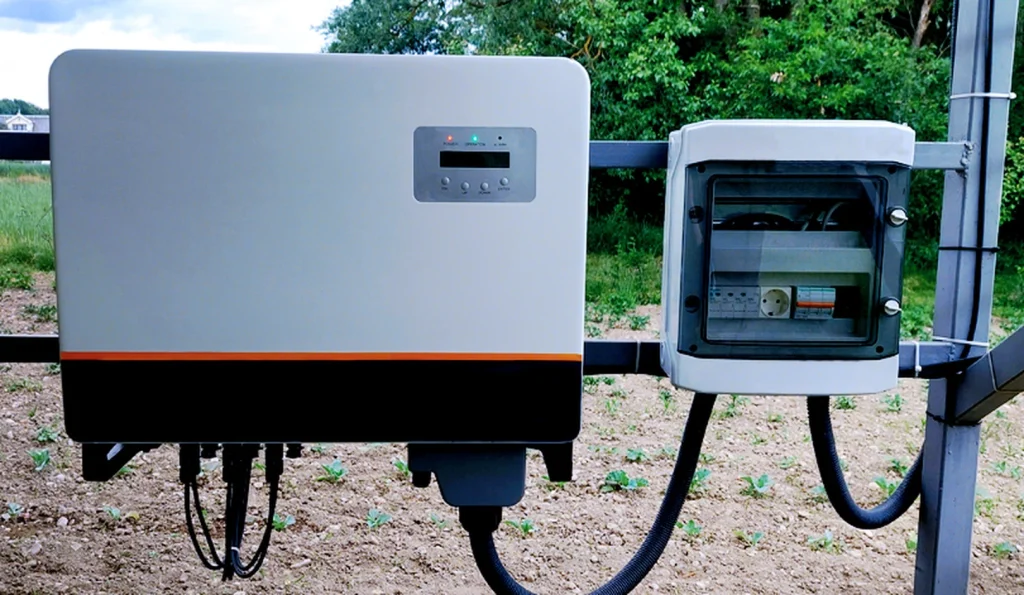
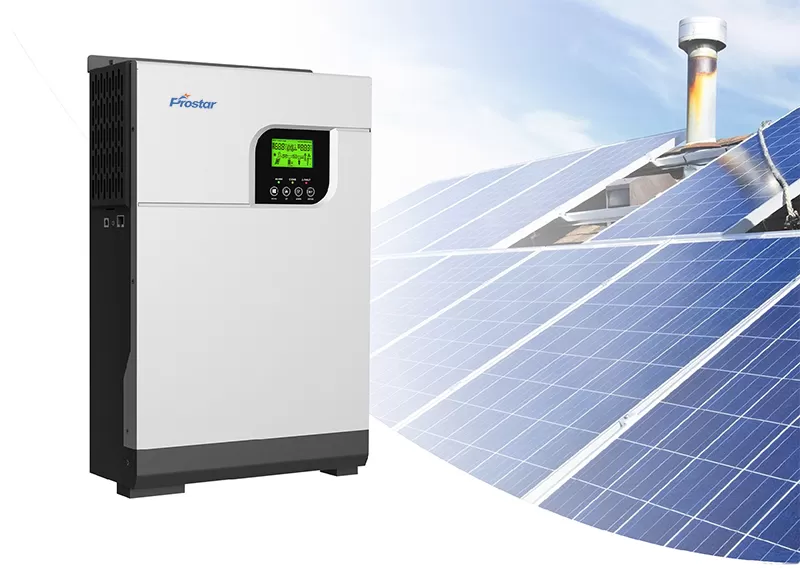
A string inverter connects multiple solar panels in a series to one central inverter. It is widely used in residential solar projects.
How It Performs
All panels work together. If one panel is shaded or underperforms, the overall output may reduce. This setup works best when your rooftop receives uniform sunlight.
String inverters are commonly installed in on grid, off grid and hybrid solar system configurations due to their simplicity and lower cost.
Key Benefits
- Affordable solution
- Simple installation
- Ideal for unshaded rooftops
Limitations
- No panel-level monitoring
- Performance drop due to shading
Microinverters for Maximum Efficiency
What Are Microinverters?
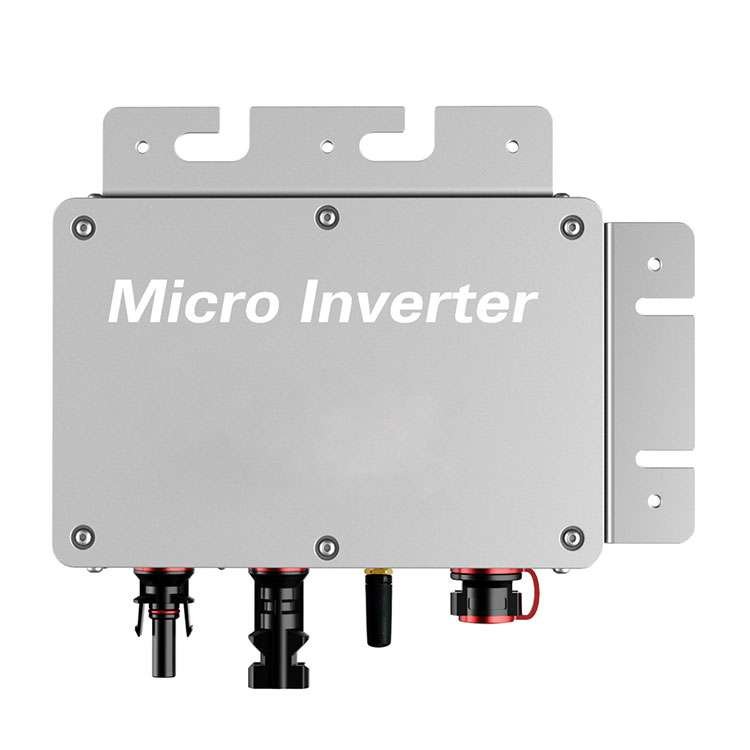
Microinverters are installed behind each solar panel, allowing every panel to operate independently.
Why They Are Effective
Even if one panel is shaded, others continue to perform efficiently. This makes microinverters suitable for rooftops with obstacles or varying sunlight exposure.
Microinverters work exceptionally well with high-efficiency panels such as monocrystalline and polycrystalline solar panel options, especially when maximum output is the goal.
Advantages
- High energy output
- Panel-level monitoring
- Better performance in shaded areas
Drawbacks
- Higher initial investment
Power Optimizers: A Balanced Option
What Are Power Optimizers?
Power optimizers are attached to each panel but work with a central inverter. They improve panel-level performance without the higher cost of microinverters.
How They Help?
Each panel produces power independently, making power optimizers a smart middle-ground choice. They are often selected when homeowners want performance optimization while controlling solar panel price impact.
Pros
- Improved efficiency
- Panel-level monitoring
- Cost-effective compared to microinverters
Cons
- Central inverter dependency remains
Comparing Solar Inverter Types
| Feature | String Inverter | Microinverter | Power Optimizer |
| Cost | Low | High | Medium |
| Shading Handling | Poor | Excellent | Good |
| Monitoring | System-level | Panel-level | Panel-level |
| Expansion | Limited | Easy | Moderate |
Understanding these Solar Inverter Types helps in making a well-informed solar investment.
Which Solar Inverter Type Should You Choose?
- String inverters suit clear, shadow-free rooftops
- Microinverters are best for shaded or complex roofs
- Power optimizers balance cost and performance
For homes installing a rooftop solar panel in Lucknow, a professional assessment is always recommended.
Why Choose Umangot Solar?
Umangot Solar – Best Solar Company in Lucknow provides expert guidance on selecting the right inverter based on your roof, budget, and energy needs. Our team designs reliable systems for all residential and commercial requirements.
Contact Umangot Solar
If you are planning to install solar or upgrade your inverter, contact Umangot Solar today for expert consultation and transparent pricing.
Umangot Solar- Best Solar Company In Lucknow
Address: opposite Rajkiya Balika Inter College, Sector 11, Indira Nagar, Lucknow, Uttar Pradesh 226016
Phone: 088811 11339
Choose the right inverter today for smarter savings tomorrow ☀️